Travel stories
Choosing a Kerama Island: Why I Love Aka, and Thoughts on Zamami and Tokashiki
Published
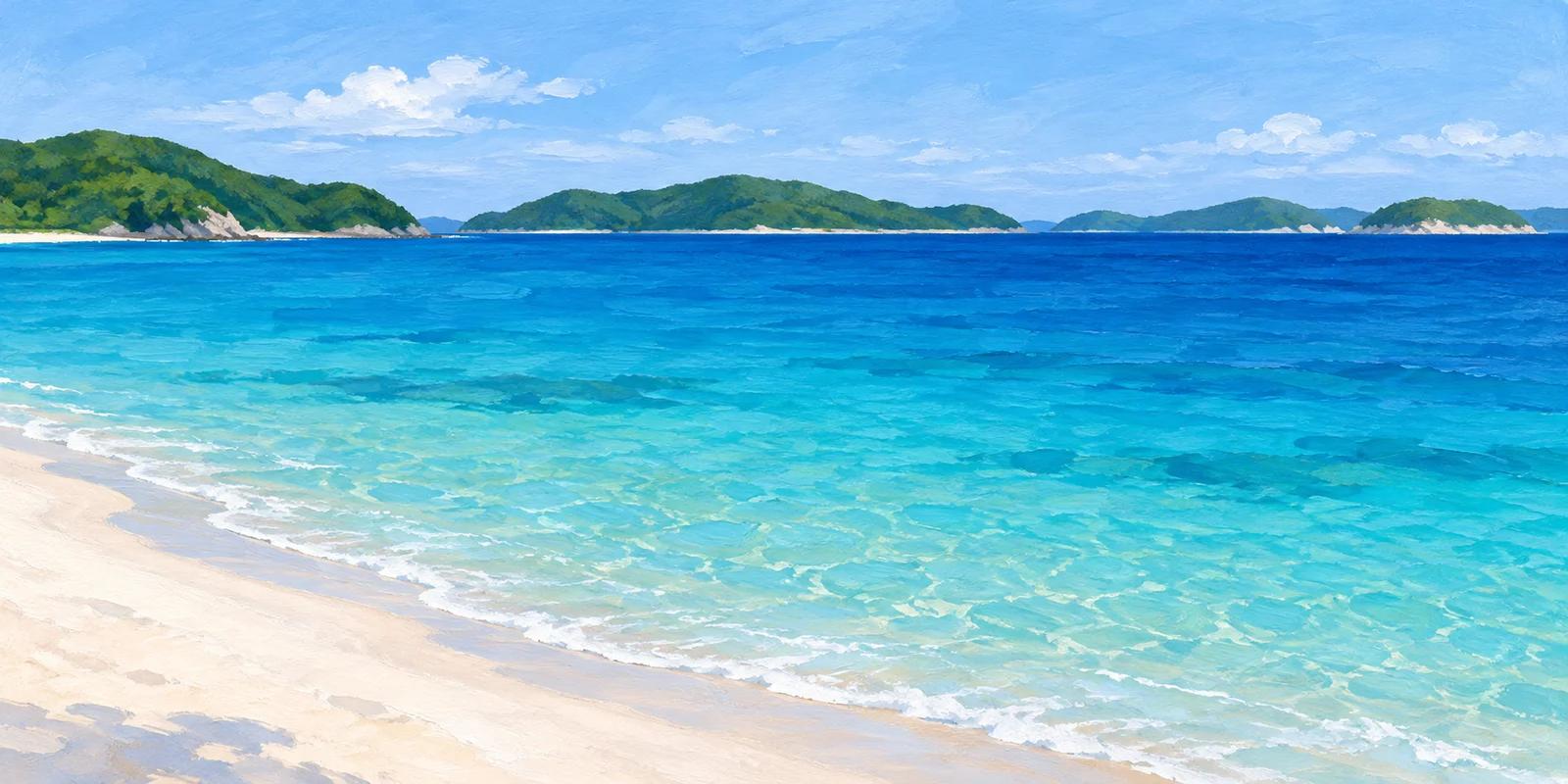
Tokashiki, Zamami and Aka all have beautiful seas, but they feel quite different when it comes to crowds, places to eat and village life.
If I’m going all the way to an island, I like to spend my time quietly. That’s why Aka is my favourite. Let me start there.
On Aka, I enjoy walking through the village, too
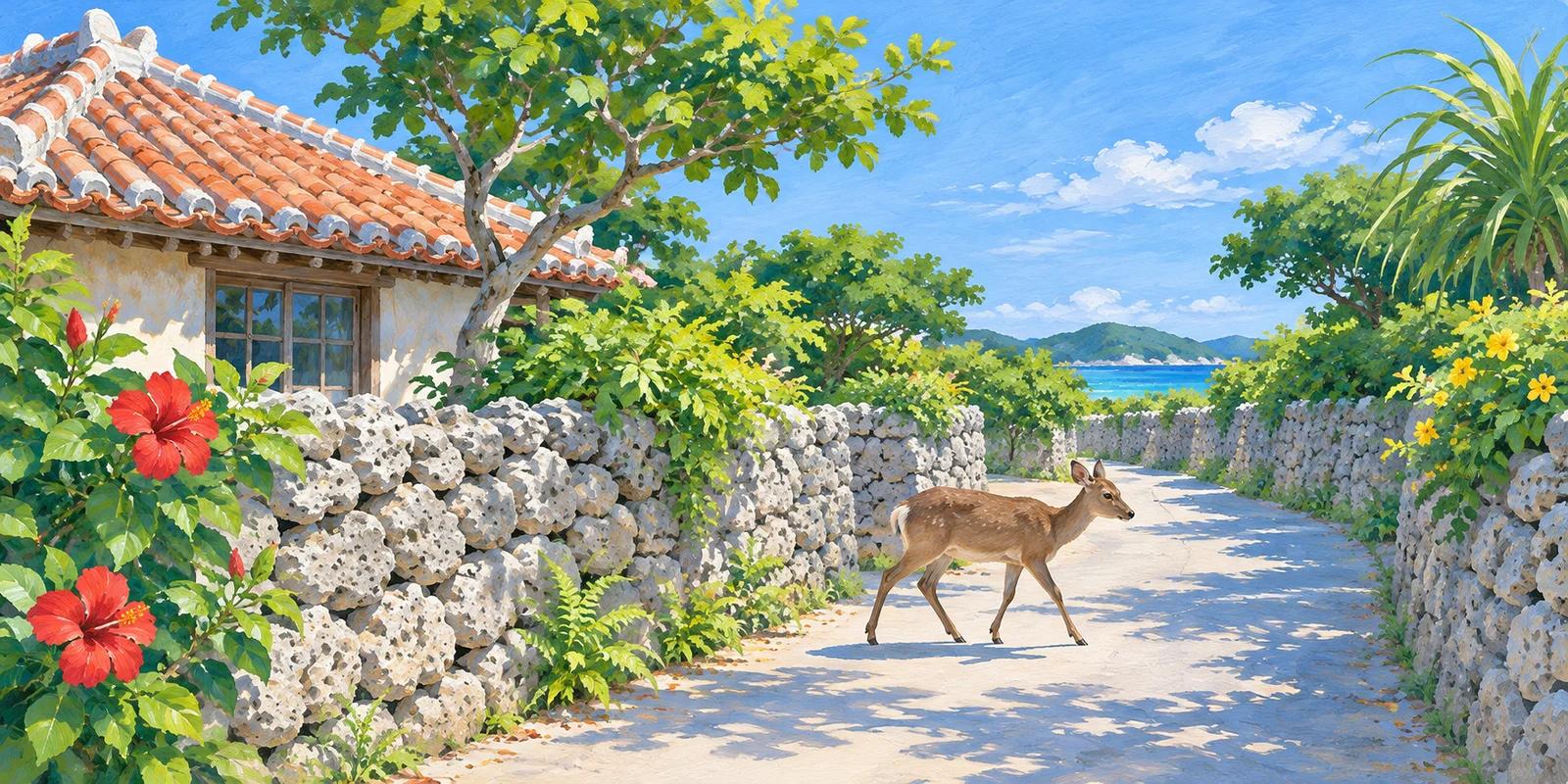
The first time I saw a Kerama deer on Aka, I was surprised.
Here was a deer designated as a National Natural Monument, just walking down the road. I remember thinking, “I didn’t realise a protected animal could be such an ordinary part of daily life.”
The village has houses with red-tiled roofs, coral-stone walls and cats taking naps. I like these island scenes just as much as the beaches.
Of course, there’s plenty to enjoy by the sea. Nishihama Beach, with its white sand and blue water, is one of the places I’d want you to see on Aka.
There are fewer people, and sometimes we’ve had a beach to ourselves. I can sit and watch the sea without worrying about anyone around me. That’s the kind of time that makes me love Aka.
You can also see the sea from Aka Bridge, which leads to neighbouring Geruma Island. If you have time, try walking out towards the bridge.
There aren’t many places to eat, though. If you want plenty of dining choices and convenience, you might find that a little inconvenient.
Even so, I’d still choose the peace and quiet. Although I live in Okinawa, Aka is an island I want to keep returning to.
If you come across Kerama deer, watch from a distance. Please don’t feed them or get too close.
Zamami’s sea is something I want to capture in photos
My LINE cover photo is a picture I took at Takatsukiyama Observatory on Zamami.
From there, you can look out over the sea between the islands. If you’re visiting Zamami, I think it’s worth setting aside time for the observatory as well as swimming.
For a closer look at the water, head to Furuzamami Beach.
On my first visit, I could hardly put my camera away. From the transparent pale blue of the shallows to the deep blue offshore, the colours changed whenever I looked in a slightly different direction.
I’ve seen quite a few beaches in Okinawa, but the colours at Furuzamami have stayed with me.
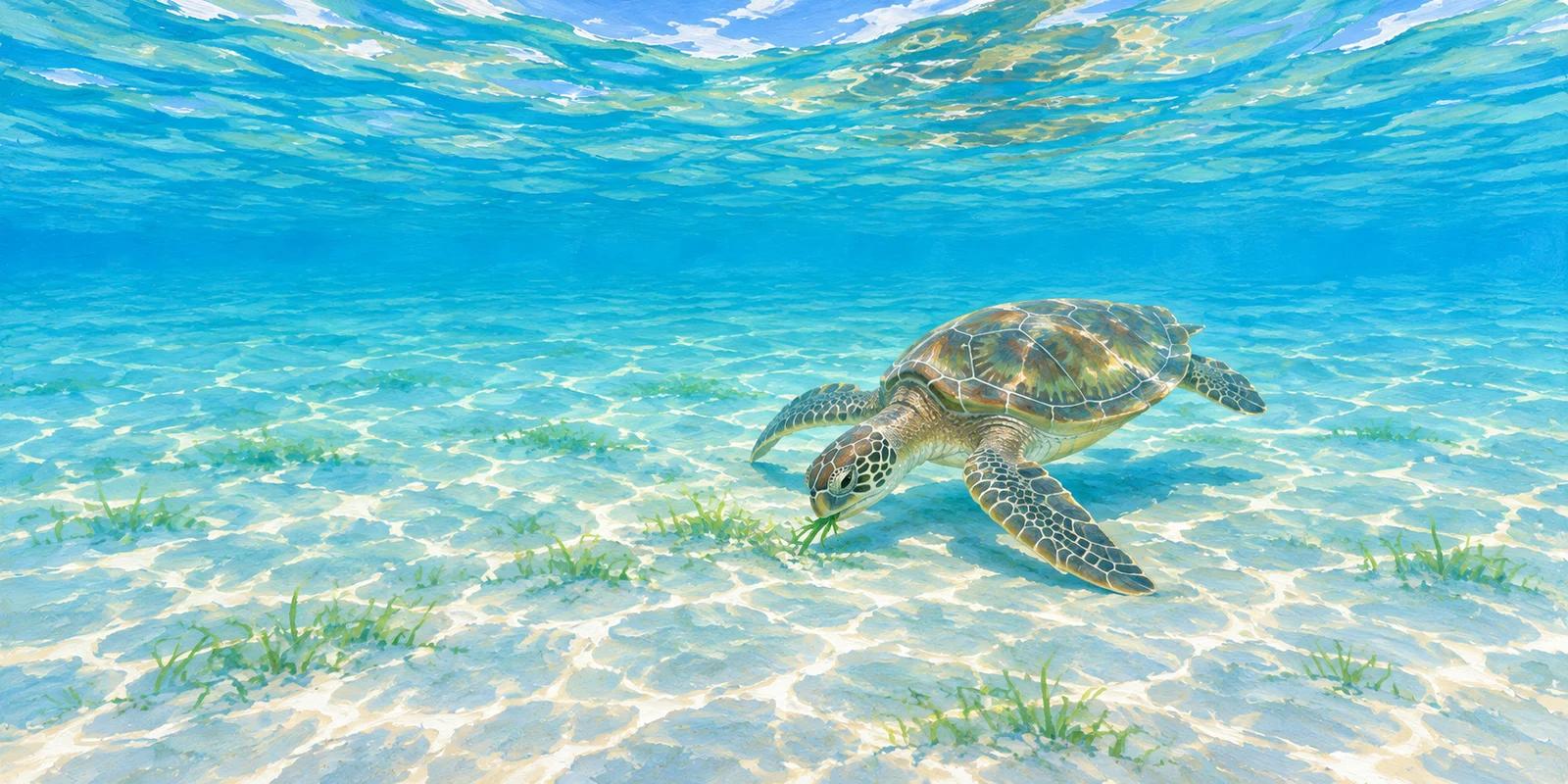
At another beach, Ama, you may see sea turtles eating seagrass.
Sea turtles are cute, but when I’m swimming alongside one, the first thing that strikes me is its size. To be honest, it’s almost a little scary! If you spot one, it’s best to keep your distance and watch without chasing it.
Zamami also makes it easy to choose somewhere to eat after a day by the sea. There are small restaurants, cafés and izakaya, which is helpful when you’re staying overnight.
If you want beautiful sea views and good food as part of the same trip, I find Zamami an easy island to plan around.
Tokashiki for a day trip to the sea
Tokashiki is about 40 minutes from Naha by high-speed ferry.
You can reach the Kerama sea without spending too long in transit, which is welcome when you want to go swimming on a day trip.
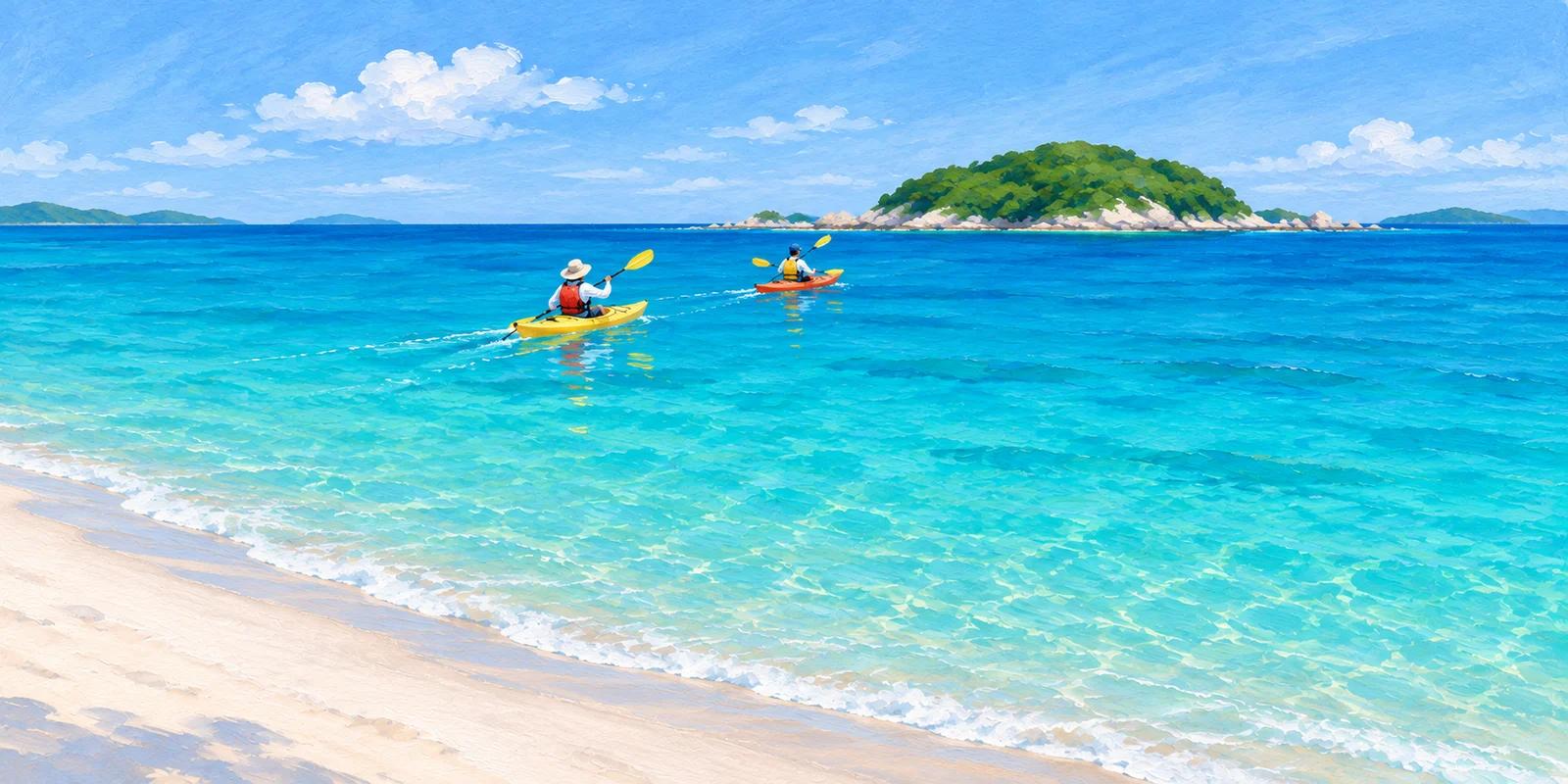
Aharen Beach is the place to head for activities on the water. As well as snorkelling, you can kayak out to the uninhabited Hanari Island offshore.
If you’d rather take things a little more quietly, there’s also Tokashiku Beach. It has a different feel from Aharen, so you can choose according to how you want to spend your time.
One thing that gives me pause about Tokashiki is the number of people in peak season. It feels busier than when I first visited ten years ago.
There’s a lively atmosphere as people gather to enjoy the sea, but if you arrive expecting a quiet island, it may feel different from what you imagined.
I prefer Aka’s quietness, but Tokashiki has its advantages when it comes to access and activities. It’s an island I’m happy to recommend to someone who wants to enjoy the sea during a short visit.
Choose your ferries first, then plan your island time
Ferries to all three islands leave from Tomari Port in Naha. They can fill up during the summer holidays and long weekends, so once you know your travel dates, booking early can save you some worry.
The thing to watch for is cancellations caused by the weather or sea conditions. Even if you can get to an island, you may not be able to return as planned. During typhoon season especially, leave some room in your schedule after the island trip, too.
As a rough guide, the swimming season runs from around April to October. In winter, there’s whale watching. I once saw whales myself while out fishing for gurukun around February.
If you have time to stay overnight, I also think it’s worth travelling between Zamami and Aka by boat. Walking around both islands can help you work out which island atmosphere you like best.