Zamami Ferry Guide from Naha: Schedule, Fares & Booking

Zamami Ferry Guide from Naha: Schedule, Fares & Booking

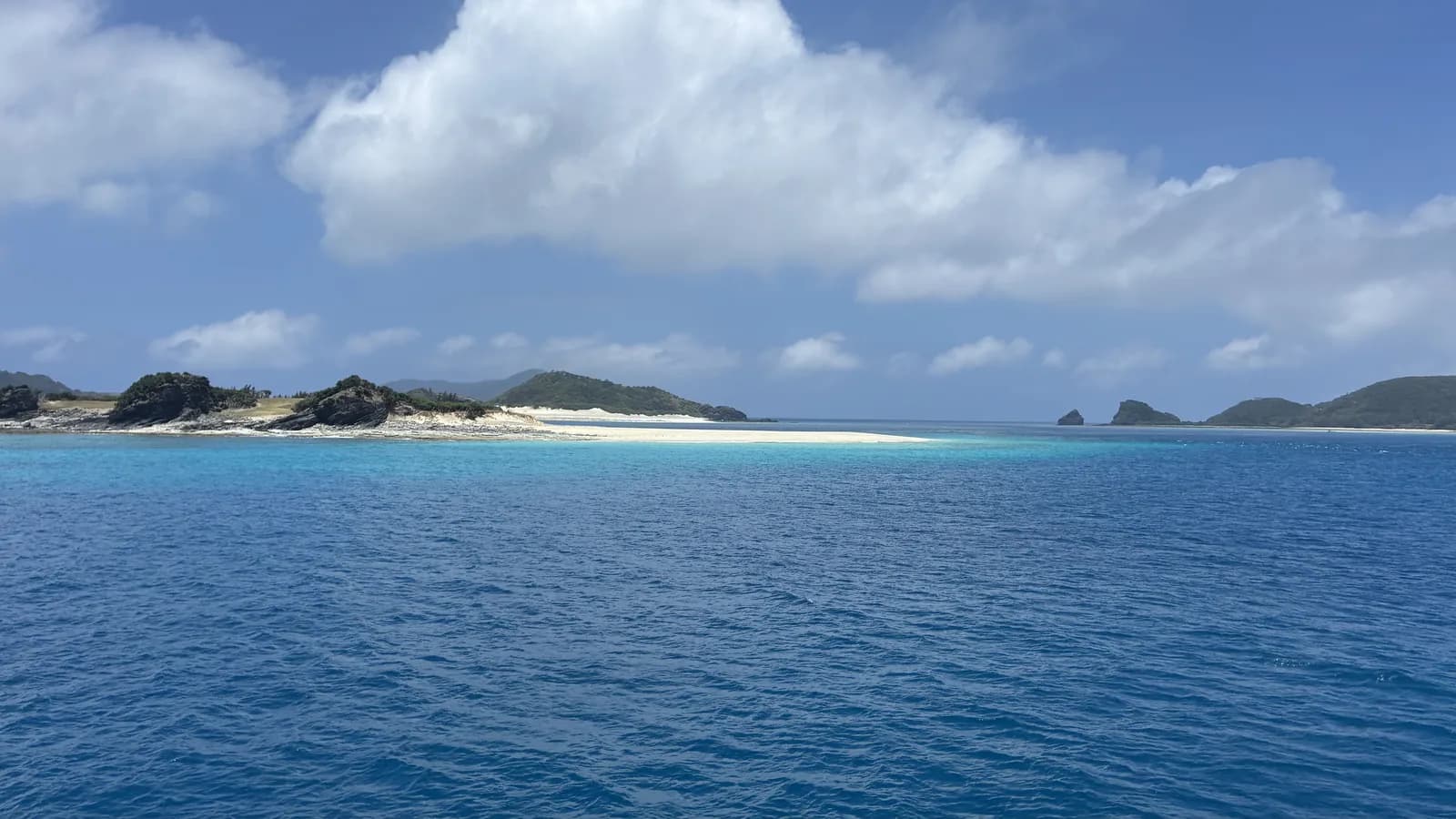
Naha (Tomari Port) to Zamami Island (Zamami Port) by Zamami Village's high-speed "Queen Zamami" in about 60 minutes (¥3,950), or by ferry "Ferry Zamami 3" in about 120 minutes (¥2,900), both with 2 daily departures. The central island of the Kerama Islands, Zamami is famous for its world-class water clarity, Furuzamami Beach, and Ama Beach. Humpback whale watching is popular in winter (January-March), and diving and snorkeling in summer. Both day trips and overnight stays are popular.

Ferry Quick Guide

Check duration, fares, departures, boarding point, and booking before you go.

VesselDurationAdult one wayFrom NahaBoarding

High-speed boat

High-speed boat Queen Zamami

60min

1st sailing about 60 min (direct to Zamami); 2nd sailing about 70 min (via Aka Island)

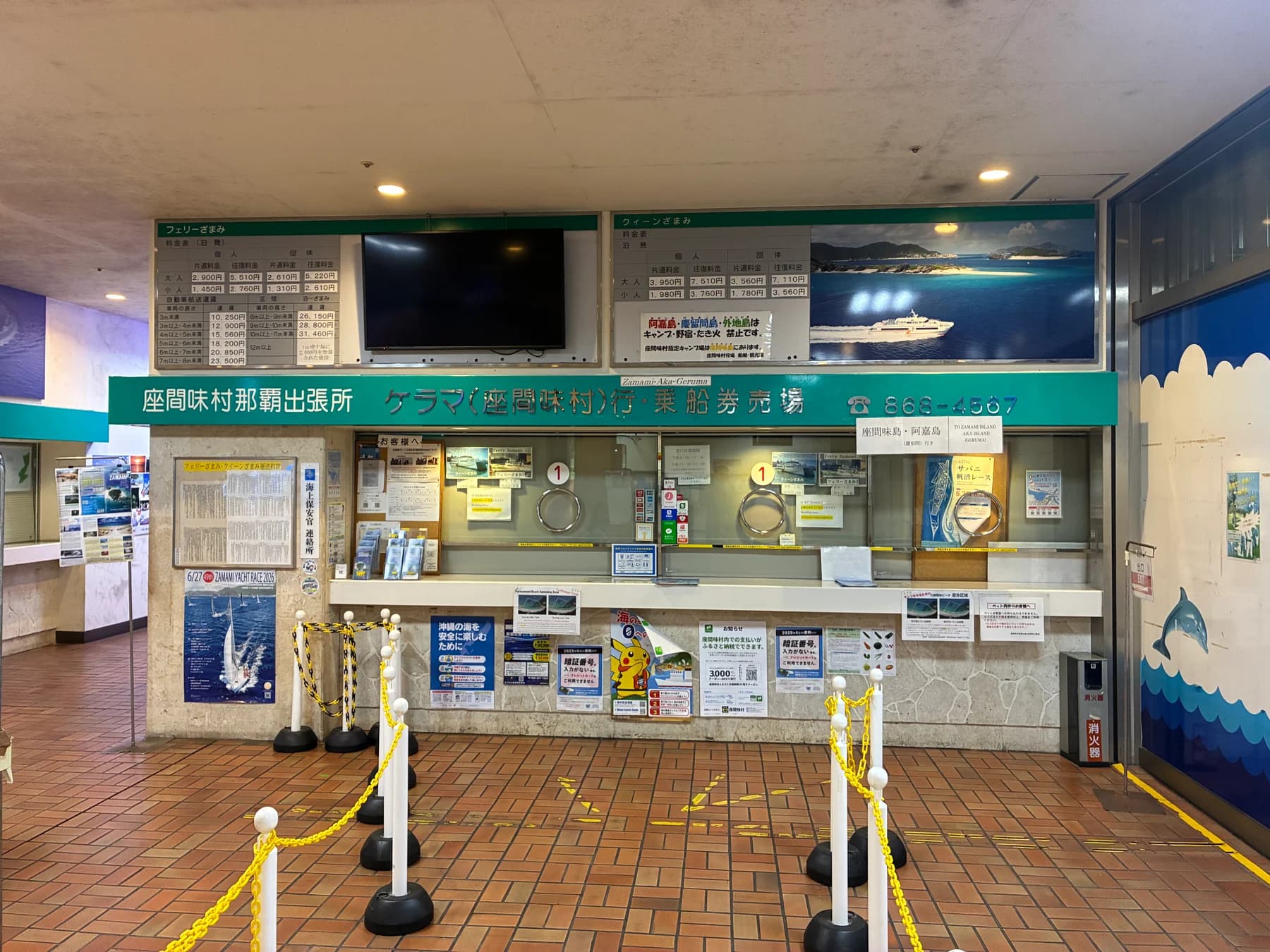
¥3,9502 departuresTomari Port, North Pier

Ferry

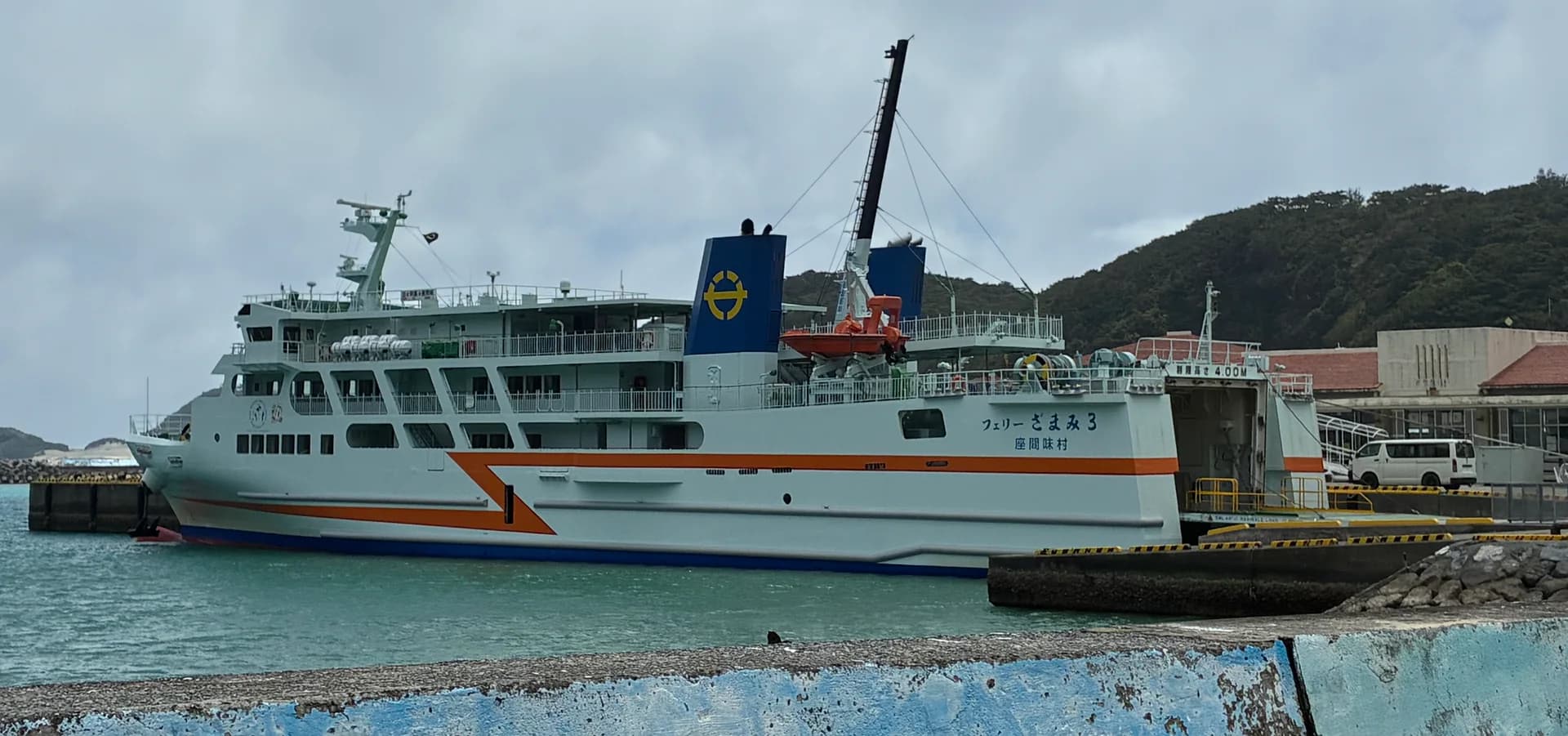
Ferry Zamami

120min

About 120 min (about 140 min on days routed via Aka Island)

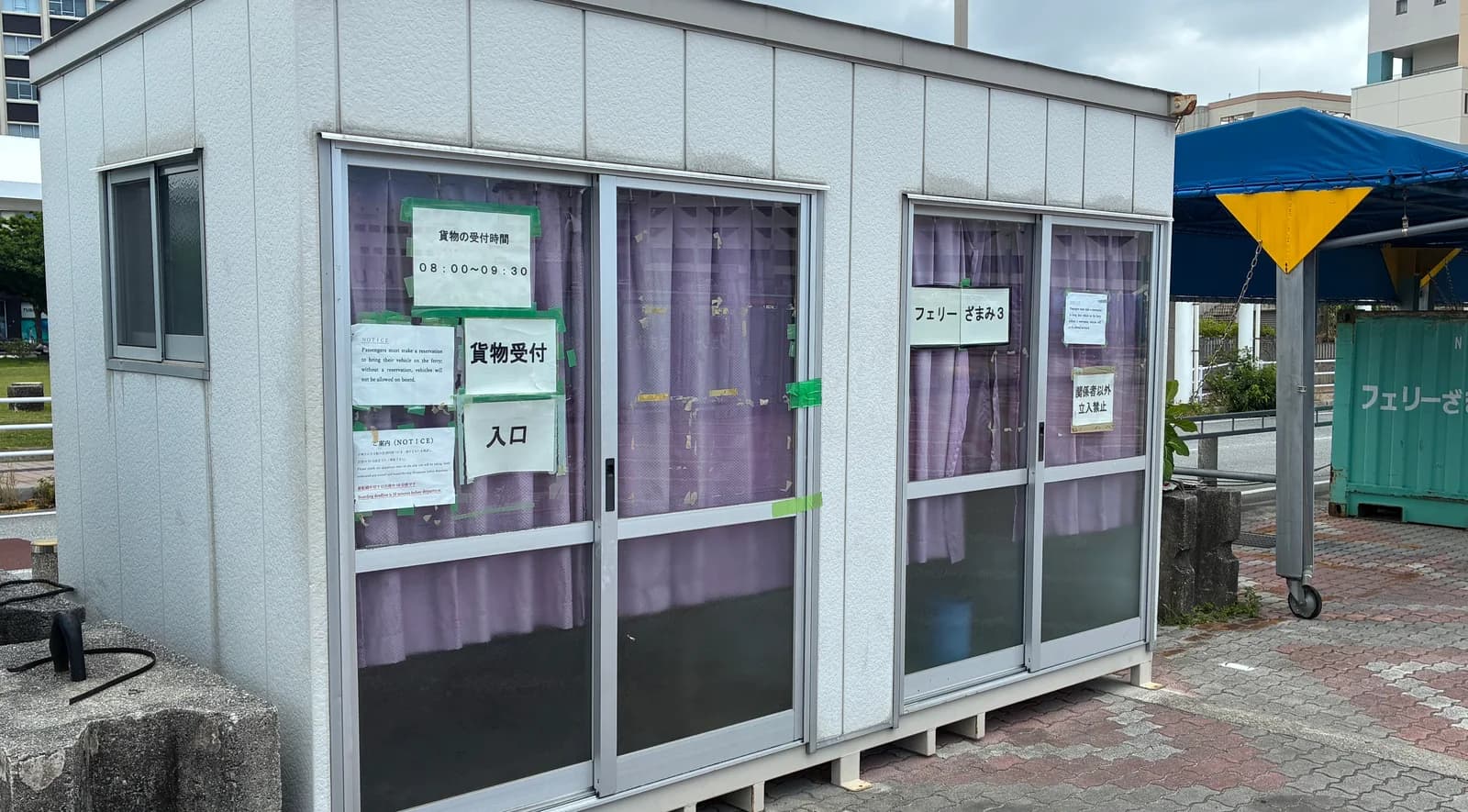
¥2,9001 departuresTomari Port, South Pier (in front of Tomarin)

Booking

Online booking is limited to Zamami Islanders Network members and opens 2 months + 1 week before departure. Tickets are issued at the counter on the day of sailing

Schedule

Please check the official website for the latest schedule.

Check this month's schedule (Official site)

Valid period: 2026-01-012026-12-31

Outbound (Naha → Island)

VesselDepartArrive
High-speed boat Queen Zamami09:0010:00
High-speed boat Queen Zamami16:0017:10
Ferry Zamami10:0012:00

Inbound (Island → Naha)

VesselDepartArrive
High-speed boat Queen Zamami10:0011:10
High-speed boat Queen Zamami17:0018:10
Ferry Zamami14:0016:00

Fares

High-speed boat Queen Zamami

Boarding point: Tomari Port, North Pier

CategoryOne wayRound trip
Adult3,950 JPY7,510 JPY
Child1,980 JPY3,760 JPY

Ferry Zamami

Boarding point: Tomari Port, South Pier (in front of Tomarin)

CategoryOne wayRound trip
Adult2,900 JPY5,510 JPY
Child1,450 JPY2,760 JPY
Vehicle transport (one way, incl. 1 driver)
Vehicle lengthOne way
Under 3 m10,250 JPY
3–4 m12,900 JPY
4–5 m15,560 JPY
5–6 m18,200 JPY
6–7 m20,850 JPY
7–8 m23,500 JPY
8–9 m26,150 JPY
9–10 m28,800 JPY
10–11 m31,460 JPY
11–12 m34,110 JPY
Bicycle430 JPY
Moped870 JPY
Motorcycle (over 50cc)1,730 JPY

Reservation & Ticketing

Online reservation

Online booking is limited to Zamami Islanders Network members and opens 2 months + 1 week before departure. Tickets are issued at the counter on the day of sailing

Open reservation page

Phone reservation

Phone number
098-868-4567
Hours
10:00–17:00

Phone reservations open 1 month before departure

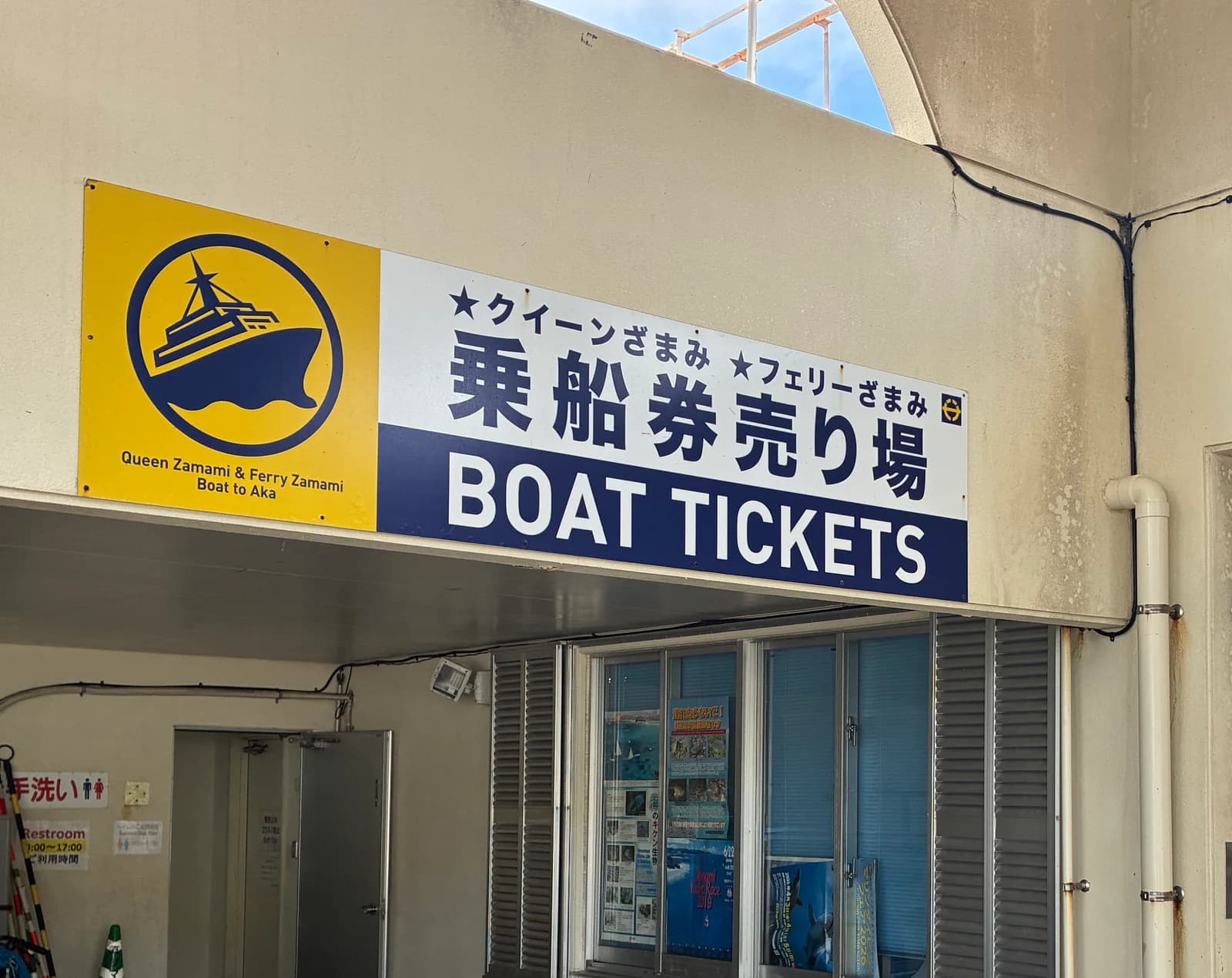
Ticket counter

Location
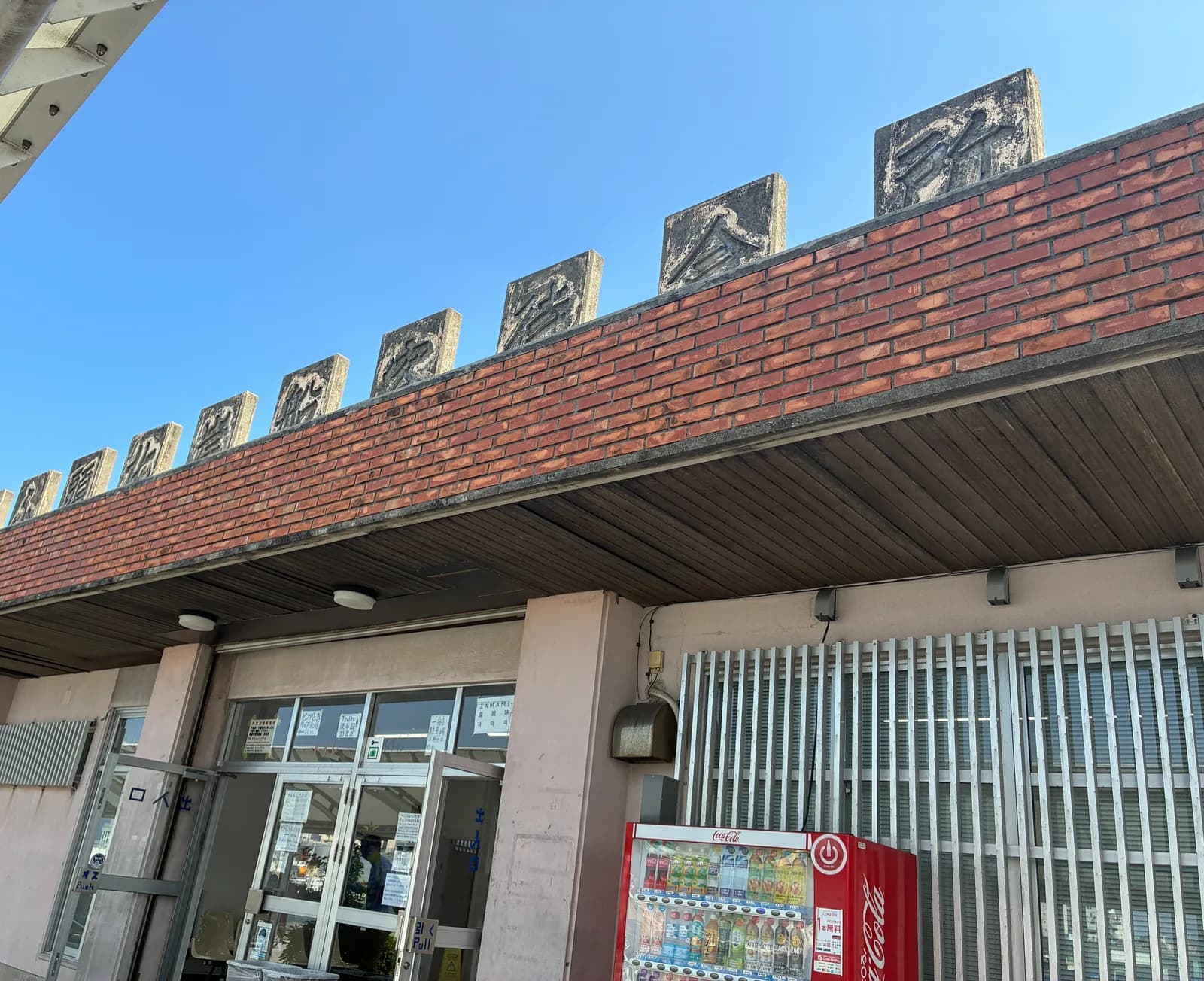
Zamami Village Naha Branch, inside Tomari Port Terminal (Tomarin). 3-25-1 Maejima, Naha, Okinawa
Hours
10:00–17:00 (varies with sailing times)

Zamami Village Churashima Visitor Tax

Zamami Village Churashima Visitor Tax: 100 yen per person is collected at boarding (junior high school students and younger, and disability handbook holders are exempt)

If weather looks uncertain

What to check if your ferry is cancelled

Check official status, rebooking, refunds, and what to do if you are stuck on the island.

Open cancellation guide →

Day trip or overnight?

Decide whether Zamami works as a day trip or overnight stay

A practical guide based on Furuzamami Beach, Ama Beach, whale watching, and ferry timing.

Open guide →
Advertisement

Furuzamami, Ama, and Kerama ocean activities

Separate from ferry booking, listings may include Furuzamami-area ocean activities, Ama Beach-area experiences, and winter whale watching.

This section contains affiliate links. Activity booking is separate from ferry booking.

View Zamami and Kerama activities on Klook->
Klook travel and leisure booking site

Next planning checks

Port Access

Tomari Port (Tomarin)

Address: 3-25-1 Maejima, Naha, Okinawa

  • Monorail

    About 10 minutes on foot from Miebashi Station on the Yui Rail

  • Bus

    About 10 minutes by local bus from Naha Bus Terminal

  • Car

    Paid parking available under Tomarin (often fills up)

View the Tomari Port complete guide →

Island essentials

ATM

No ATMs on the island. Withdraw cash in Naha before departure

Convenience store

No convenience stores. A few local shops with limited hours

Cell service

Voice and mobile data work reliably across the main areas

Rental vehicles

The island is walkable or bikeable. A rental car is usually unnecessary

Note: Zamami Village Churashima Visitor Tax: 100 yen per person is collected at boarding (junior high school students and younger, and disability handbook holders are exempt)

Planning to stay overnight?

Staying overnight gives you more time for Furuzamami Beach, Ama Beach, dinner in the village, and winter whale watching. It also reduces the need to rush for the last ferry.

Zamami Island in person — editorial field notes

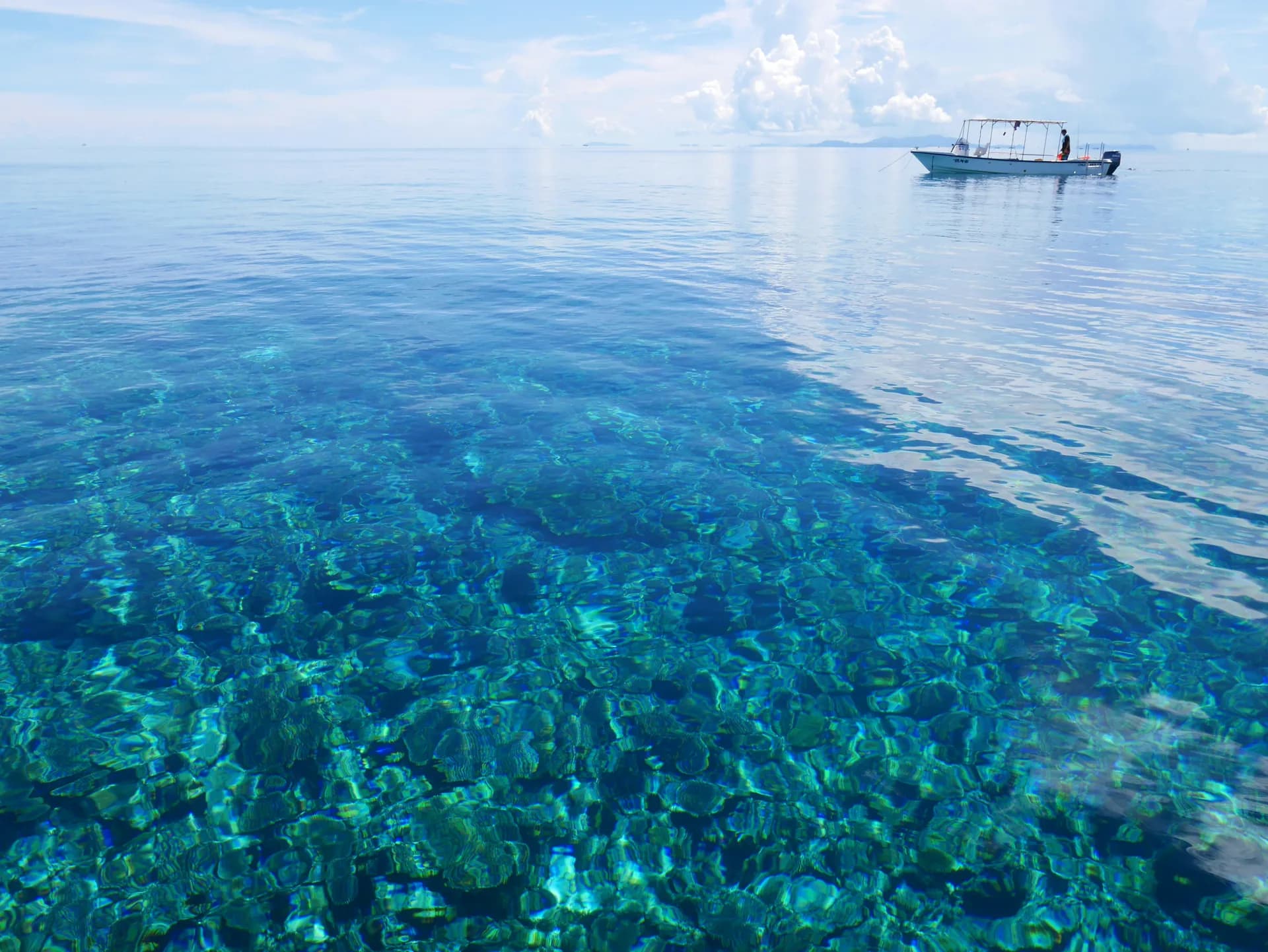
Whales, water clear enough to disappear into, and an island in the Keramas where the distance between people stays small. The Kerama Islands, reached by ferry from Okinawa's main island. At their center sits Zamami — an island with some of the clearest water in the world, winter whale watching, and summer snorkeling and water sports. If Aka Island is 'the one where you taste silence,' then Zamami is 'the one where nature and human connection sit side by side.' Play hard in the sea by day, and at night a casual conversation springs up with locals and other travelers in a village restaurant. That easy distance, I felt, is Zamami's real appeal. Here are the highlights that stayed with me, along with the things worth knowing before you go.

Whale watching — the moment I'd almost given up, a whale surfaced right in front of me

The headline of winter on Zamami is whale watching. Around January and February, humpback whales come to the waters off the Kerama Islands to breed. I went in February. I hadn't booked in advance, but I found a tour company that still had openings on the day. For a while after we left port, the whales only appeared in the distance. 'Maybe we won't get a close look today,' I thought, half giving up — and then it happened. A spout rose right beside the boat, and the great body of a humpback whale broke the surface. It's nothing like what you see in photos or video. A huge body, exhaling and slipping back into the sea, right in front of you. The force of that one moment made me forget both the rolling boat and the cold. Tour prices aren't cheap. Whether you actually see a whale is up to nature — you're at the mercy of luck. Even so, the feeling of being present for that single moment turned out to be worth far more than the ticket price. If you go, don't go expecting a guaranteed sighting. Go with 'it would be amazing if we meet one' in mind.

Picking a tour: things worth knowing

Whale-watching tours can fill in advance, but day-of openings sometimes appear at local operators. Smaller boats can rock noticeably. Larger vessels and motion-sickness medication are common ways travelers handle the ride. Even in Okinawa, winter on the water is genuinely cold. Windproof outerwear changes the experience, and on some days a down jacket is not unusual. An empty stomach can make nausea worse, so many operators and travelers account for food timing before departure.

Furuzamami Beach and Ama Beach — two beaches with very different personalities

If it's your first time, head straight to Furuzamami

Zamami's two signature beaches are Furuzamami and Ama. Both are about 5 minutes from the port by village bus, or about 20 minutes on foot — but their appeal is completely different. Furuzamami is the beach most visitors associate with Zamami's clear water. The moment you put your face in the water, brightly colored fish are right there in front of you. It feels like you've stepped inside an aquarium. The clarity of the water, the coral, the movement of the fish. All of it is close to shore, making the underwater scenery easy to see. The beach house rents snorkeling gear, so visitors can rent equipment on site. There are designated areas for snorkeling, with local rules posted around the beach. Note that walking from the port involves a hill. In high summer, or when you're carrying a lot, the village bus avoids that climb. Bus tickets are purchased in advance from the vending machine at 'Ao no Yukuru Kan' near the port.

Ama Beach — a quiet place to wait for sunsets and sea turtles

Ama Beach, on the other hand, has a calmer feel than Furuzamami. There are fewer visitors, and it's a good fit for anyone who wants to look at the sea in peace. In the late afternoon the colors of sky and sea shift slowly, and you can feel a day on Zamami winding down gently. At Ama, with the right timing, you can sometimes spot sea turtles swimming offshore right from the sand. The chance of meeting one without even entering the water — just while you walk and keep an eye on the surface — is something special to this beach. That said, the swimmable area is quite limited. If you want to really swim or fully enjoy snorkeling, you may find Ama a little lacking.

How the two beaches differ

For a one-day Zamami visit, Furuzamami concentrates the underwater scenery, beach facilities, and village bus access in one place. With two or more days, Furuzamami and Ama can play different roles. Furuzamami works for daytime snorkeling, while Ama has late-day sea views and occasional turtle sightings from shore. That contrast is one of the clearest ways to feel the island's range.

Lodging and the village — where nature meets easy human connection

Zamami has more restaurants than Aka Island. At night, local residents and travelers often share the same small village area, so casual conversations can happen around restaurants and bars. There are places where solo travelers can eat or have a drink after a day in the sea. It is less a bustling tourist town and more an island village where outdoor time and small evening interactions sit close together. Lodging tends to be guesthouses and minshuku, and some have simple facilities. Before booking, check what is provided: towels, toothbrushes, shampoo, Wi-Fi, air conditioning, and whether meals are included. Bringing basic amenities covers gaps when a lodging only provides the essentials.

Aka and Zamami — how the stays differ

Zamami has more chances for conversations with locals and fellow travelers. Aka has quieter nights and a stronger sense of privacy. For whale watching, Zamami has more tour operators and more related services. With time for one night on each island, the contrast becomes clear: Aka's stillness and Zamami's gentle village activity show two different sides of the Keramas.

Zamami isn't just an island with beautiful water. The hours spent waiting for a whale, swimming with fish, watching the sunset, and trading small talk in the village at night. It's the layering of these small experiences that makes Zamami stay with you as travel memory.

Note: information is current as of May 2026. Fares, tour availability, and on-site facilities may change — check the official sites of the Zamami Village Tourism Association and individual operators for the latest details.

Frequently asked questions

Related Islands

Compare all 5 islands (island comparison guide) →