Miyakojima Travel Guide | First-trip Planning & Areas

Updated:

Use Miyakojima itself as your travel base and consider bridge-linked Ikema, Kurima, Irabu and Shimoji for day trips. Instead of attempting every direction in a short stay, choose accommodation, transport and sea activities first, then narrow down the areas you visit.

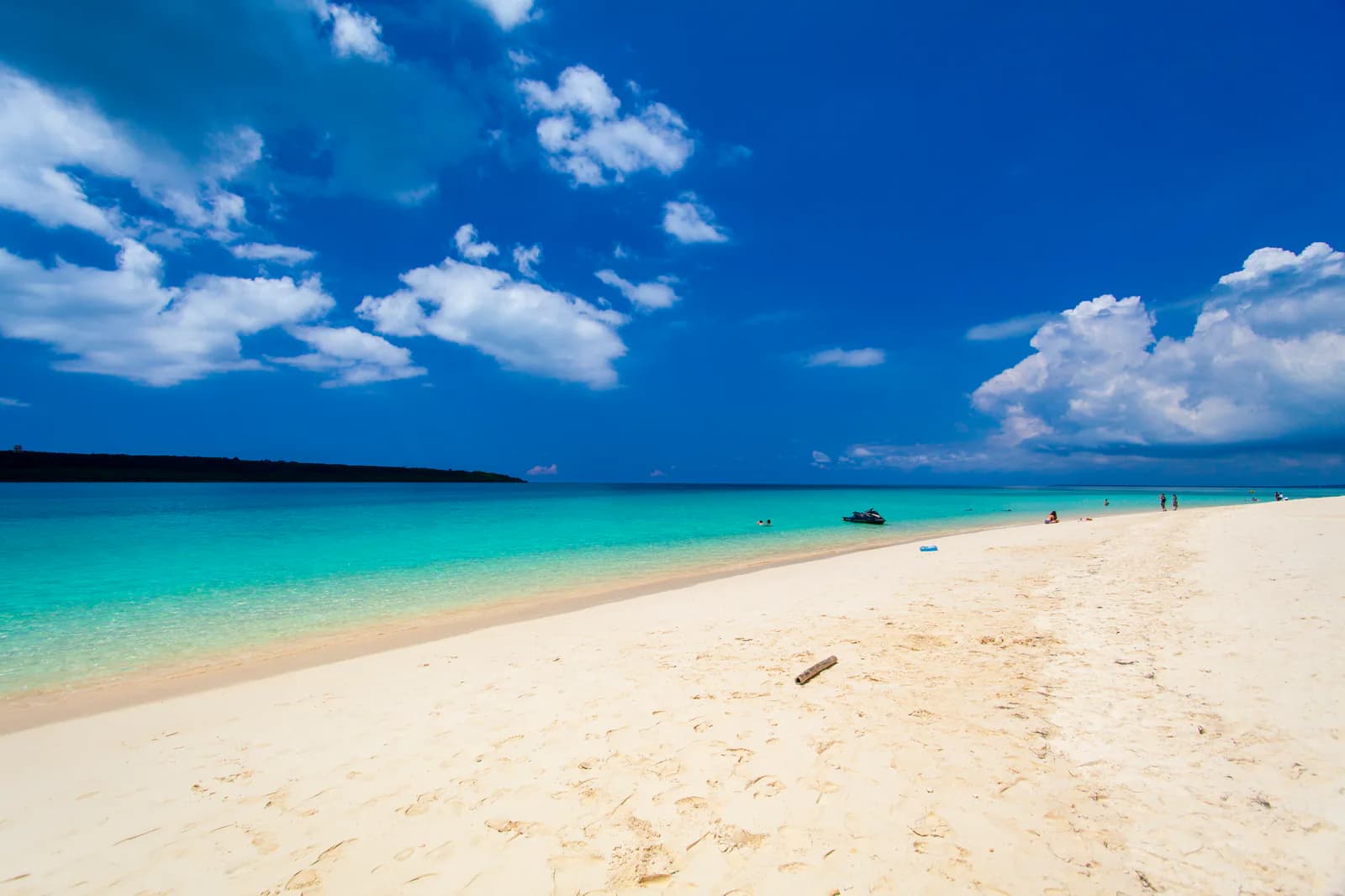
Yonaha Maehama beach and sea, with Kurima Bridge in the distance

Kurima Bridge seen from Yonaha Maehama. Group bridge-linked islands by direction while allowing enough time at each stop.

“Miyako's best beach” — Raita Futo / Wikimedia Commons / CC BY 2.0 (resized and converted to WebP) · Creative Commons Attribution 2.0 Generic

1.Miyakojima trip essentials

Set your trip length, transport, accommodation area and sea experiences first, then use the remaining time for other areas.

Choose your directions first

The north, southwest, east and Irabu–Shimoji areas are far apart. Group places on a map by direction to reduce repeated journeys along the same roads.

Let transport define your range

A car makes distant viewpoints easier to combine. Without one, base yourself in Hirara and arrange buses, taxis and experiences with transfers around their reserved times.

Keep alternatives away from the sea

Wind and waves can change sea activities even under clear skies. Keep cultural facilities, crafts, food and city walks as alternatives you can switch to on the day.

2.How long to stay and who each trip suits

Judge trip length by usable time on arrival and departure days, not the number of nights alone.

3 days / 2 nights

Choose fewer destinations and do not overload arrival or departure days.

Suitable for first-time visitors with clear priorities, such as a sea experience or particular scenery. Allow even less sightseeing time if your flight arrives late or leaves early.

4 days / 3 nights

Gain more full days and leave room for different areas and weather changes.

Suitable if you want several of the northern, southern and Irabu–Shimoji areas, or need flexibility to move a sea activity to a different day.

3.Miyakojima and the islands connected by bridge

The Miyako Islands comprise eight islands. Four surrounding islands can be reached by road from Miyakojima: Ikema, Kurima, Irabu and Shimoji. Bridges go directly to the first three; continue through Irabu for Shimoji.

Road connections do not mean you can explore everywhere in depth on a short trip. Include inter-island travel, stops, weather and road conditions, and group places in the same direction by day. This is different from touring all eight islands.

Miyakojima

Home to Miyako Airport and the main arrival and accommodation base for the Miyako Islands.

Direct bridges lead to Ikema, Kurima and Irabu; Shimoji is reached via Irabu. On a first trip, arranging your accommodation and transport on Miyakojima makes planning easier.

Municipality
Miyakojima City
Road connection
Hub of the road network

Ikema Island

Reachable by road from northern Miyakojima.

Easy to combine with northern Miyakojima on the same day. Ikema Bridge may close during a typhoon, so do not assume a return crossing is available in bad weather.

Municipality
Miyakojima City
Road connection
Direct via Ikema Bridge

Kurima Island

Reachable by road from southwestern Miyakojima.

Easy to combine with southern Miyakojima. Do not stop on the bridge or near junctions; use designated parking at viewpoints and in villages.

Municipality
Miyakojima City
Road connection
Direct via Kurima Bridge

Irabu Island

Reachable by road from western Miyakojima.

Plan Irabu and Shimoji as one area. Irabu Bridge may close during a typhoon, affecting transfers between Shimojishima Airport and Miyakojima as well.

Municipality
Miyakojima City
Road connection
Direct via Irabu Bridge

Shimoji Island

Reachable by road from Miyakojima via Irabu; this is the island with Shimojishima Airport.

There is no single direct bridge from Miyakojima. If you arrive at Shimojishima Airport, check the bus, taxi or rental-car collection arrangements for reaching your hotel in advance.

Municipality
Miyakojima City
Road connection
Connected via Irabu Island

4.Compare six areas

Compare each area's character, travellers it suits, transport, role as an accommodation base and planning cautions.

Central Hirara

Character
Restaurants and shops cluster here, and the area around Hirara Port is a starting point for local bus connections.
Suited to
Travellers without a car, those wanting a short journey after dinner, or easier plans on arrival and departure days.
Getting around
Walking, buses and taxis are easy to combine, but seeing several distant viewpoints in one day still requires checking timetables and return travel.
As a base
An option if you want food and transport choices close to your hotel.
Planning note
A city hotel does not put every sightseeing spot within walking distance. Check parking conditions if you rent a car.

Ikema, Karimata and Shimajiri

Character
Northern coastal scenery and villages around Ikema Bridge, Ikema Island, Cape Nishi-hennazaki and Shimajiri.
Suited to
Travellers focusing on northern scenery or spending mornings and evenings in a quieter area.
Getting around
The sights are spread out, making a car easier to plan around. Bus users should check the return service as well as the outward journey.
As a base
A base for prioritising the north and reducing trips to and from the central city.
Planning note
Check food and shopping locations and Ikema Bridge access in advance. Keep residential roads clear in villages.

Irabu and Shimoji islands

Character
Two islands beyond Irabu Bridge, including western destinations such as Shimojishima Airport and Toriike Pond.
Suited to
Travellers using Shimojishima Airport or prioritising the scenery of Irabu and Shimoji.
Getting around
Travel from Miyakojima through Irabu, then onward to Shimoji. Bus users must also plan the distance from stops to destinations.
As a base
A base for longer stays on the western side and fewer crossings back to Miyakojima.
Planning note
Shimoji is a separate island with an airport. Check Irabu Bridge access, road conditions and your flight together.

Shimoji district and Kurima Island

Character
Southwestern Miyakojima's Shimoji district and Kurima Island across Kurima Bridge, including the Yonaha Maehama area.
Suited to
Travellers grouping southwestern coastal scenery and Kurima into one direction.
Getting around
A car or transfer makes nearby stops easier to combine. Without a car, secure a connection between your hotel and each destination.
As a base
An option if the southwest is your priority and you can arrange transport to the airport and city.
Planning note
Shimoji district is part of Miyakojima, not Shimoji Island with Shimojishima Airport. Check local dining and transport choices.

Ueno

Character
Southern Miyakojima, including Ueno German Culture Village and accommodation along the south coast.
Suited to
Travellers basing themselves in the south and allowing time for cultural facilities and their hotel.
Getting around
Allow extra travel time on days visiting the north or Irabu–Shimoji. Check hotel transfers and rental-car collection terms.
As a base
A base for prioritising time at the hotel and southern destinations.
Planning note
Check the distance and hours of nearby restaurants for your specific hotel, and decide nighttime transport in advance.

Gusukube

Character
Eastern and southeastern coastal scenery, including Cape Higashi-hennazaki and Imgya Marine Garden.
Suited to
Travellers prioritising eastern nature and starting visits here early in the morning.
Getting around
Destinations are widely spread; arrange a car, taxi or tour that also gets you back.
As a base
An option for shortening early trips east if you are comfortable staying farther from the city.
Planning note
A coast is not always suitable for swimming. Check whether entry to the water is allowed, sea conditions, and food and shopping options on the day.

5.Sea, scenery, culture and food

Combine scenery, culture, crafts and food with the area's location and weather, instead of building the whole trip around entering the sea.

Sea

For swimming, snorkelling or SUP, compare the location, swimming ability needed, equipment, transfers and same-day cancellation criteria as well as the activity name. Wildlife encounters are not guaranteed.

Scenery

Group bridges, capes and coasts by direction; distinguish short photo stops from places that need walking time. Do not park or stop on bridges or residential roads.

Culture

Museums, cultural facilities and crafts are less dependent on sea conditions. Check closing days and visiting rules, and do not enter sacred places such as utaki without permission.

Food

If dinner is a priority, consider Hirara as your base. Outside the city, arrange nearby dining, transfers and the return journey in advance. Check the opening information for your visit date.

6.Seasons and how to check the weather

Do not judge by the season alone: update information before departure, each morning and whenever conditions change.

Before departure

Check typhoon information and warnings for Miyakojima, your flight, and transport from the arrival airport to the hotel. If a typhoon is approaching, consider the return flight as well as the outward one.

Each morning during your stay

Check wind and waves, messages from your activity operator and Irabu or Ikema Bridge access, not just the weather. Clear skies can still coincide with unsuitable sea conditions.

When conditions change

Switch sea plans to cultural facilities, crafts, food or a city walk. Check bridge information from the previous day and again before leaving that morning; an outward crossing does not guarantee a return crossing.

Miyakojima Local Meteorological Office

Check regional warnings and typhoon information before departure and during your stay. Clear skies do not rule out lingering swell.

Typhoon restrictions on Irabu and Ikema bridges

Both bridges may close during a typhoon. Warning issue or cancellation times do not necessarily match gate closure or reopening, so check actual road access.

7.Transport options

Choose destinations you can reach and return from, rather than trying to maximise the number of stops. Select the arrival airport and onward island transport together.

With a car

A car makes it easier to combine distant viewpoints by direction. Decide the driver in advance and include parking, refuelling, nighttime roads and bridge access in the plan.

Without a car

A trip is possible using Hirara as a base and combining buses, taxis and hotel or activity transfers. Do not squeeze in several remote destinations; check the return journey and waiting time before booking.

Miyako Airport — Miyakojima

In central Miyakojima, this is a practical starting point for the city and other areas of the island and an initial option for a first trip. Check your flight together with the onward bus, taxi or rental car.

Miyako Shimojishima Airport — Shimoji / Irabu

A separate airport on Shimoji Island, not another terminal of Miyako Airport. Reach Miyakojima via Irabu Island and Irabu Bridge. Choose it when both the flight's operating day and transport to your hotel fit your itinerary.

8.Accommodation areas

Compare bases by dinner plans, airport access and the direction you want to visit early, as well as hotel facilities.

Hirara is an option for car-free stays or shorter journeys after dinner. Outlying accommodation can reduce travel to your priority area, but check food, shopping, transfers and nighttime transport for each hotel.

After dinner

Choose Hirara if you want to walk between restaurant options; consider an outlying hotel if meals and time at the hotel are your priorities.

Your airport and transfers

Choose Miyako or Shimojishima Airport, then check arrival and departure transfers, buses, taxis and rental-car collection locations.

Where you want to go in the morning

Staying near the north, west, southwest or east that matters most to you reduces morning and evening journeys. Compare a more central base if you plan several directions.

9.Activities and safety

Give the booking conditions and the day's sea conditions the same weight as the activity itself.

Compare operating conditions

Wind direction, waves and tides can determine whether an activity runs, not just rain or sunshine. Check cancellation criteria, alternative dates and refund conditions when booking.

Explain swimming ability and equipment needs

Tell the operator at booking about non-swimmers, children, older travellers or participants with existing medical conditions. Check required equipment such as life jackets and participation conditions.

Consider a guided experience

For an unfamiliar place, consider an operator-led experience with safety management. Avoid going alone or swimming after alcohol, and follow local instructions.

Miyakojima City water safety

Review weather and waves, life jackets, and advice against swimming alone or after drinking before entering the sea.

10.Planning 3 days / 2 nights or 4 days / 3 nights

Give arrival, full sightseeing and departure days different roles rather than following a fixed timetable. Adapt each day to flight times, airport, car availability and weather.

3 days / 2 nights

Even if your arrival and departure times leave extra time, use about two directions in total as a guide, including the full day. Do not assume you can comprehensively explore the entire island.

  • Arrival: stay near the airport or hotel and prepare transport for the next day.
  • Full day: focus on one priority direction — north, east, southwest or Irabu–Shimoji.
  • Departure: work backwards from the flight and keep to a short route with easy access back to the hotel or airport.

4 days / 3 nights

Do not use the extra day only to add destinations. Leave some of it for rest and changes in sea conditions so the itinerary can be adjusted.

  • Arrival: spend time near the hotel or in the city, and check weather and reservations.
  • Full day 1: schedule your priority sea activity or one distant area.
  • Full day 2: explore a different direction; replace sea plans if conditions are poor.
  • Departure: choose short activities or stops along the airport route.

11.Respect local communities and nature

You are visiting residential areas and active places of worship as well as sightseeing spots.

Villages and residential roads

Slow down in villages. Do not enter private land, fields or house entrances, or block roads by parking or stopping. Use designated parking.

Utaki and places of prayer

Utaki are places of local faith, not tourist facilities. Follow no-entry and no-photography signs and community guidance, and stay out of areas without permission.

Coasts and the natural environment

Do not take coral, wildlife, sand or plants home; take your rubbish with you. Use paths and designated areas, and do not touch or feed wildlife.

Frequently asked questions

Is 3 days / 2 nights enough for Miyakojima?

Yes. Keep arrival and departure days near the airport or hotel, and limit destinations to roughly two directions including the full day. Prioritise a sea activity, the north, east, southwest or Irabu–Shimoji so your time does not disappear into travel.

Can I travel without a car?

Yes, using Hirara as a base and combining buses, taxis and experiences with transfers. Several distant viewpoints in a short time are difficult, so check outward and return travel and waiting times for each destination, and limit the directions you visit.

Can I go around Miyakojima in one day?

Driving a loop is different from including sightseeing, meals and visits to the bridge-linked islands. Do not assume one day lets you see every area thoroughly; prioritise the north, east, southwest or Irabu–Shimoji.

Is there enough to do without swimming?

Yes. Combine bridge and cape scenery, museums, cultural facilities, crafts, food and city walks. Distinguish a coastal visit for scenery from an activity that enters the water.

What should I check during a typhoon or strong winds?

Check Japan Meteorological Agency warnings and typhoon information, airline and airport flight notices, messages from your hotel, official road and bridge information and whether booked activities will run. A warning ending does not necessarily mean bridges have reopened: use actual access information to decide whether to travel.

Miyako Islands travel guides

Official information and sources